Travel differently
Most of us have done it at least once: booked a flight, crammed five cities into seven days, and came home needing a vacation from our vacation. Traveling differently is about stepping off that treadmill. It means choosing depth over distance, connection over checklists, and experiences that leave both the traveler and the destination better off. This page explains what traveling differently actually involves, why it matters, and how you can start — even if you only have a long weekend.
What Does “Travel Differently” Mean?
Traveling differently is an umbrella idea that covers several related approaches: slow travel, immersive and local experiences, and responsible or low-impact tourism. The common thread is intention. Instead of asking “what can I see?”, you ask “what do I want to understand, feel, and contribute?”
Think of it like cooking. A conventional trip is a fast-food meal — quick, standardized, instantly satisfying. Traveling differently is a home-cooked dish made with local ingredients: it takes longer, requires more attention, and tastes far more memorable. Neither is inherently wrong, but one nourishes you more deeply.
Why Conventional Tourism Often Falls Short
Mass tourism follows a predictable pattern: fly in, photograph the famous landmarks, buy souvenirs, fly out. This model has real downsides, both for travelers and for the places they visit.
- Superficial contact: You see a destination’s postcard surface without ever meeting the people who live there.
- Overtourism pressure: Popular hotspots suffer from crowding, inflated prices, and strain on housing and natural resources.
- Leaky economies: In resort-heavy areas, a large share of tourist spending goes to international chains rather than local businesses.
- Traveler burnout: Packed itineraries turn holidays into a race, leaving you exhausted rather than restored.
Recognizing these limits is the first step. The next is understanding the alternatives.
The Pillars of Traveling Differently
1. Slow Travel: Staying Longer, Seeing Deeper
Slow travel is the practice of spending more time in fewer places. Instead of three countries in two weeks, you might spend two weeks in one region, traveling mostly by train, bus, bicycle, or on foot.
Consider a fictional example. Sarah, a teacher from Chicago, once did a “Europe in ten days” tour. She returned with hundreds of photos but few memories. On her next trip, she rented a room in a small Portuguese town for a month. She shopped at the same market stall each week, joined a local hiking group, and learned enough Portuguese to order coffee without pointing. She describes that second trip as the one that “actually changed her.”
- Lower transport costs and a smaller carbon footprint per day traveled.
- Time to build routines, which is when a place starts to feel real.
- Opportunities for serendipity: the bakery recommendation, the neighborhood festival, the conversation on the train.
2. Staying Local: Where You Sleep Matters
Accommodation is one of the biggest levers you control. Where you sleep shapes where your money goes and what kind of experience you have.
- Family-run guesthouses and independent B&Bs keep spending in the local economy and often come with insider advice you won’t find on review sites.
- Homestays place you inside a household, offering genuine cultural exchange — meals, conversations, and daily rhythms included.
- Farm stays and agritourism connect you with rural life and food production, popular in regions from the English countryside to the American Midwest.
- Community-owned lodges, common in parts of Scotland, Canada, and New Zealand, reinvest tourism revenue into local conservation and services.
A practical rule of thumb: before booking, ask whether the owner or operator lives locally, and whether at least some of the staff and suppliers are from the area.
3. Eating and Shopping Like a Resident
Food is often the fastest route into a culture. Choosing where you eat is both a pleasure and a decision with consequences.
- Visit a local market on your first day to see what the region actually grows and eats.
- Ask a resident — a host, a shopkeeper, a fellow bus passenger — where they eat on their day off.
- Choose restaurants with short, seasonal menus over those with laminated tourist menus in six languages.
- Buy souvenirs from makers, not importers: pottery, textiles, preserves, or art with a visible local origin.
The cost is often lower than you expect. A market lunch in Lyon or a food-truck dinner in Austin frequently costs less than a mid-range chain restaurant and delivers far more character.
4. Reducing Your Footprint Without Sacrificing Joy
Responsible travel is not about guilt; it is about smart choices that usually improve the trip.
- Go overland when feasible. Trains and buses in the UK, Europe, Japan, and parts of North America are comfortable, scenic, and far less carbon-intensive than short-haul flights.
- Fly less, stay longer. One long trip generally beats several short ones in environmental terms — and in depth of experience.
- Respect protected areas. Stick to marked trails, follow local wildlife guidance, and pack out what you pack in, whether you’re hiking in the Lake District or camping in a national park.
- Conserve like a guest. Short showers in water-stressed regions, reusable bottles where tap water is safe, and switching off air conditioning when you leave the room cost nothing and matter.
5. Choosing Experiences Over Attractions
A different kind of trip is built around activities, not monuments. Instead of listing “must-see sites,” list “must-do things.”
- Take a class: cooking in Hoi An, weaving in Oaxaca, surfing in Cornwall.
- Volunteer responsibly — but carefully. Avoid any “orphanage tourism” or short-term animal contact programs; legitimate opportunities require skills, time commitments, and vetted local partners.
- Attend what locals attend: a village match, a music night in a pub, a seasonal festival.
- Walk or cycle a route slowly enough to stop, talk, and detour — a long-distance trail like the Camino de Santiago embodies this ethos.
How to Plan a “Travel Differently” Trip: A Simple Process
- Pick one place, not many. Choose a single town, region, or island as your base.
- Define your intention. Write one sentence: “On this trip I want to understand X, learn Y, or rest Z.”
- Book slower transport. Reserve trains or buses first; fly only where distance demands it.
- Choose local accommodation. Prioritize independent, locally owned places.
- Plan one anchor activity per day. Leave generous unscheduled space — that’s where the best moments happen.
- Learn a few words. Ten phrases of the local language open more doors than any guidebook.
- Reflect before you leave. Support one last local business, leave an honest review for a small operator, and note what you’d do differently.
Common Questions About Traveling Differently
Is slow or alternative travel more expensive?
Not necessarily. Long stays often unlock weekly accommodation rates, and cooking some meals, using public transport, and avoiding tourist-trap pricing can bring daily costs below those of a conventional holiday. The main cost is time — which is precisely the point.
Can I travel differently with children or limited vacation days?
Yes. The principles scale down gracefully. A long weekend spent entirely in one neighborhood of a nearby city, with a market visit, one local museum, and meals in family-run restaurants, is a different kind of trip in miniature. Start where you are.
Does this mean avoiding famous landmarks?
No. It means visiting them thoughtfully: go early or late, outside peak season, and pair each landmark with time in ordinary streets and local businesses. The Eiffel Tower at dawn followed by coffee at a neighborhood café is a balanced approach, not a compromise.
Getting Started: Your First Steps
You do not need to overhaul your travel style overnight. Begin with one change on your next trip:
- Cut one destination from your itinerary and give that time to the place you’re most curious about.
- Swap one chain hotel for an independent, locally owned stay.
- Replace one flight under four hours with a train or bus where a reasonable route exists.
- Book one experience led by a local guide rather than a standard city tour.
Traveling differently is not a trend to follow or a rulebook to obey. It is a shift in emphasis — from consuming places to engaging with them. The reward is a richer kind of memory: not just what you saw, but who you met, what you learned, and how the journey changed the way you see the world. Start small, stay curious, and let the journey be slower, deeper, and more yours.
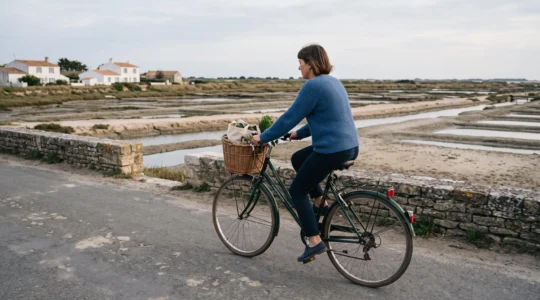
How to Experience Île de Ré Like a Local
If you want to experience Île de Ré like a local, don’t start by chasing “must-sees.” Start by copying the island’s everyday habits: get around…
Read moreWhat are the ideal destinations to avoid mass tourism in Europe?
If you’re looking to avoid the crowds on your next European vacation, there are plenty of great destinations to choose from. Here are a few…
Read moreDiscover the natural parks and monasteries in Macedonia
Macedonia is a landlocked country in the Balkan peninsula. The country is bordered by Kosovo to the northwest, Serbia to the north, Bulgaria to the…
Read moreLive like a Robinson Crusoe on the island of Gavdos, Greece
If you’re looking for a place to truly get away from it all, Gavdos, Greece is the perfect spot. This small island, located south of…
Read moreHike the Kungsleden Trail in Sweden
The Kungsleden Trail is a popular hiking trail in Sweden that runs for over 440 kilometers between the towns of Abisko and Hemavan. The trail…
Read moreHow to discover a country in a less touristy way?
If you’re looking to get off the beaten path and really discover a country, there are a few things you can do. First, try to…
Read moreTop most useful travel accessories
If you love to travel, then you know that there are certain must-have items that can make or break your trip. From a good pair…
Read moreThe advantages of passes for traveling in European cities
If you are planning a trip to Europe, then you should definitely consider getting a pass for traveling in European cities. There are many advantages…
Read more