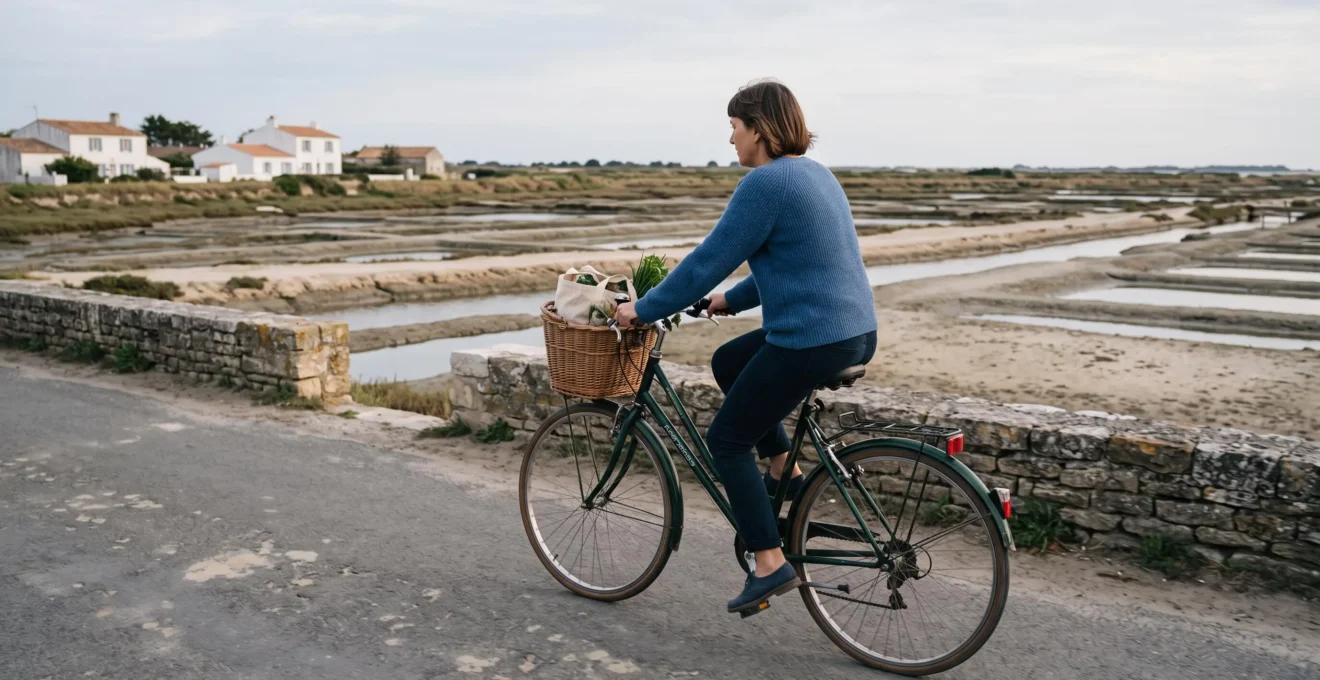
If you want to experience Île de Ré like a local, don’t start by chasing “must-sees.” Start by copying the island’s everyday habits: get around by bike, shop the morning markets, eat simply, and time your days to avoid the summer crunch.
The quickest filter is this: at each choice, ask “what would a year-round resident do here?” That usually leads you away from peak-hour parking hunts and toward calmer villages, earlier routines, and seasonal plans that feel natural on the island.
Your local-style game plan for Île de Ré
- Move like residents do: bike first, car second—especially in high season.
- Shop like residents do: markets in the morning, ideally early, and cook simply.
- Choose your timing: shoulder season and off-season reveal the island’s everyday rhythm.
- Verify official timings and tariffs before you plan crossings and market stops.
What Does It Really Mean to Experience Île de Ré Like a Local?
Direct answer: Experiencing Île de Ré like a local means building your days around everyday island routines—cycling instead of driving, shopping at markets in the morning, and choosing quieter timing (early hours, shoulder season) over the busiest summer hotspots.
The difference isn’t “secret places.” It’s rhythm. Residents tend to keep plans simple: a ride on the cycle paths, a practical stop at the market, then time outdoors that fits the weather and season.
In high season (mid-June to mid-September), the local mindset is often about avoiding friction: fewer car trips, earlier starts, and choosing calmer stretches of coast and villages. In the off-season, it’s about leaning into the island’s slower pace—shorter days, fewer services, but a more residential feel.
What does a “tourist day” look like vs a “resident day”?
Here’s a simple contrast you can use to check your own plan. A tourist day often begins with driving, parking, and heading for the most visible beach or central harbour area at peak time. A resident-style day is more likely to start earlier, on a bike, with one practical errand (market, bakery, supplies) before settling into a slower afternoon.
In practice, that can look like: bike to a morning market, buy what you’ll actually eat, then pick a low-key café or a quiet stretch of shoreline. The point isn’t to “do more,” but to make the island feel easy—and that’s usually what locals optimise for.
Avoiding the “generic tips” trap: If advice doesn’t mention when to go (season and time of day), it’s probably not truly local—timing is half the experience on Île de Ré.
Getting Around the Island the Way Residents Do
Direct answer: Residents mostly rely on bikes for day-to-day trips on Île de Ré, especially in summer; they plan bridge crossings around official tariffs and use alternatives to driving whenever possible to avoid congestion.
If you do one thing differently from a classic tourist visit, make it this: treat the bicycle as your default transport. It immediately changes where you choose to stay, how you schedule your mornings, and how much of the island feels accessible without stress.
In high season, locals tend to minimise car use because it’s simply the least efficient way to move from village to village. In the off-season, driving becomes easier, but cycling still matches the island’s pace—and you’ll notice more of the everyday landscape (salt marsh edges, stone walls, small lanes).
How do I cycle around Île de Ré following local etiquette and routes?
To cycle like a resident, plan short, practical rides rather than “big sporty loops,” and keep your bike ready for daily use. That means checking brakes and tyres, locking your bike properly when you stop, and riding predictably around pedestrians and other cyclists—especially near markets and village centres.
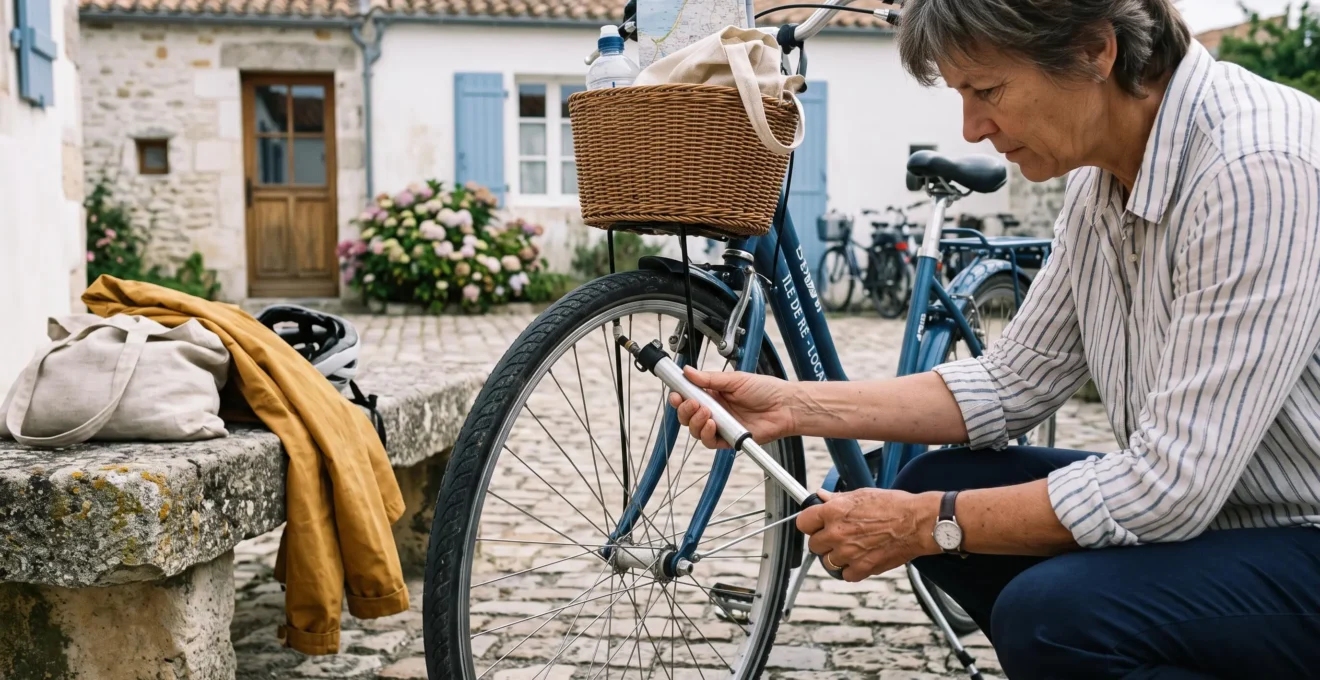
For a visitor, the most “local” cycling habit is also the simplest: ride early in summer. You’ll avoid the busiest moments on shared paths and arrive at markets before the main rush. Off-season, you can ride later without the same crowd pressure, but bring an extra layer—weather can shift quickly on the coast.
What bridge access rules and seasonal pricing patterns matter?
If you’re arriving by car, your local-style decision starts before you even reach the island: bridge tariffs vary by official seasons. The official 2025 regulation states that the high season (“rouge”) runs from 15 June to 15 September, and also applies during the extended spring weekends of Ascension and Pentecost.
For the most reliable details (classes, dates, and the rules that apply), check the réglementation officielle du péage before you finalise your travel days, especially around public-holiday weekends.
Should I drive onto the island or switch to bikes?
In peak summer, a resident-style approach is often to reduce car dependence once you’re on the island. If your accommodation is close to cycle paths and daily needs (market, bakery), you can park and “live locally” on two wheels for most trips.
Cas pratique
Imagine you arrive on a Saturday in July with a car. A tourist reflex is to drive village to village and search for parking near harbours at lunchtime. A local-style plan is to park once, unpack, then do the rest by bike: early market run, quiet beach timing (morning or late afternoon), and dinner supplies bought before the evening rush.
Off-season, driving can be practical—some restaurants and services run reduced hours, and days are shorter. Even then, keeping a bike day in your plan helps you “read” the island the way residents do: not by ticking boxes, but by linking villages through everyday routes.
Shopping and Eating at the Local Markets
Direct answer: Shop early at village markets, focus on what you’ll cook that day, and use official market schedules to pick a base village that matches your routine.
If you’re worried about getting generic advice, markets are where you’ll feel the difference immediately—because they’re about real life, not sightseeing. The most local move is to go in the morning, buy a few seasonal staples, and keep meals simple.
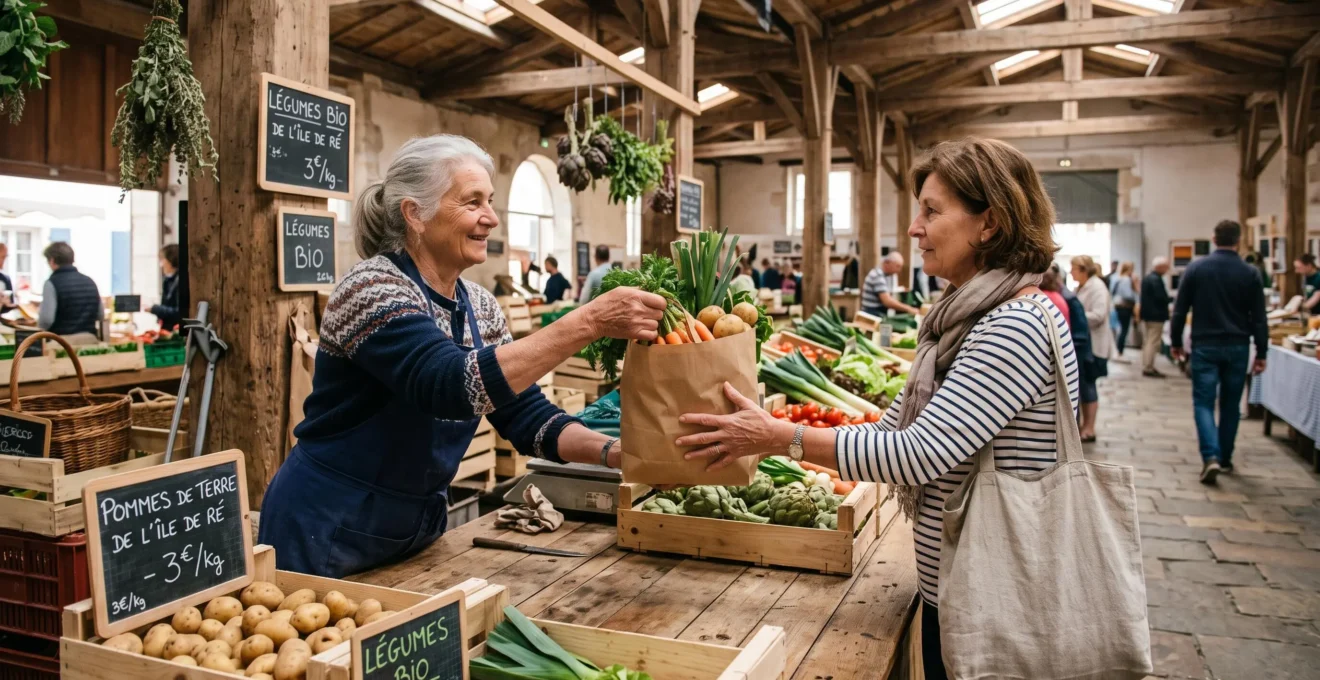
In high season, you’ll often get a calmer experience by arriving early, before late-morning crowds build. Off-season, you may find a quieter market atmosphere, but it’s even more important to check what’s open on the day you’re there.
When are markets open, and how do I verify times?
Use official schedules rather than blog lists, because hours can shift by season and commune. The official Destination Île de Ré tourist office confirms that, in season, village markets are open every day from 9am to 1pm—and that some communes also have summer night markets.
You can verify the current market information directly on the office de tourisme île de ré page dedicated to markets before you lock in your daily plan.
What should I buy to eat like a resident?
A local-style basket is less about “specialties hunting” and more about ingredients you can actually use: fresh produce, simple picnic food, and what’s in season when you travel. If you’re staying somewhere with a kitchen, cooking once at home is one of the fastest ways to shift your trip from tourist mode to resident mode.
In high season, aim to buy for the same day (fresh and light), then avoid returning to crowded centres at peak meal times. In the off-season, plan a little more: some options may close earlier, so a market run can become your anchor for the day.
What’s a typical resident-style market routine?
A practical routine is: arrive in the morning, do one loop to see what looks best, then buy from one or two stalls rather than collecting “souvenir foods.” Back at your place, keep lunch easy—bread, seasonal produce, something you can carry—then save your restaurant meal for a quieter service time.
Which Villages and Seasons Do Locals Favour?
Direct answer: Locals often prefer shoulder season and off-season for a calmer Île de Ré, and they build days around quieter village routines rather than the busiest harbour-and-shopping circuits.
If you only see Île de Ré in the middle of summer afternoons, it can feel like the island is “all crowds.” The local reality is more nuanced: residents adapt by changing when they go out and by favouring a slower village rhythm.
That’s why timing matters as much as place. In high season (especially from mid-June to mid-September), the island’s most visible centres are naturally busy. In September or outside school-holiday peaks, the same streets can feel far more residential—more bikes, fewer queues, and a pace that matches year-round life.
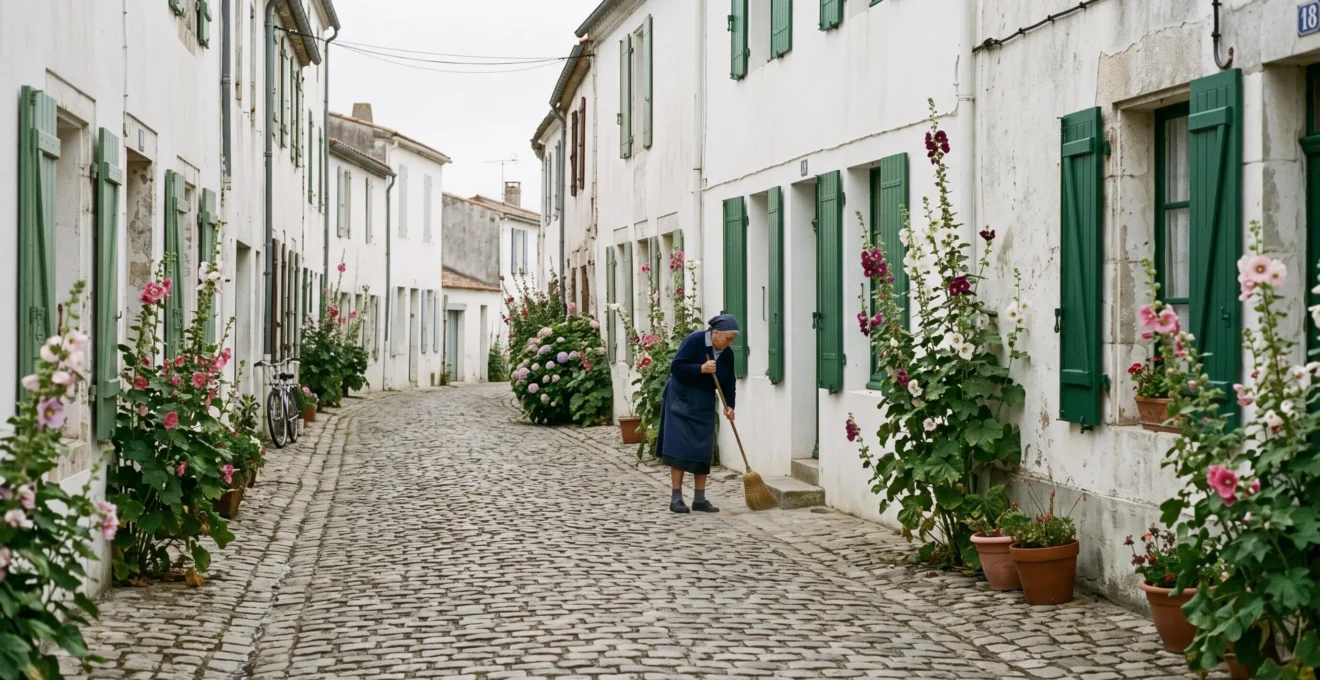
When is the best time to visit Île de Ré without crowds?
If your goal is “like a local,” prioritise shoulder season when you can—late spring outside extended holiday weekends, or September after the busiest period. You still get long, pleasant days, but with less pressure on roads, bike paths, and village centres.
Off-season can be a great fit if you enjoy quiet walks, cosy cafés, and slower routines. The main limitation is practical: some activities and dining options may have reduced hours, so you’ll rely more on daylight, weather, and what’s open locally.
Which villages do locals go to beyond the busiest hubs?
Instead of chasing a “top villages” list, use a local filter: choose a base where you can do daily life easily—market access, a bakery nearby, and quick bike access to several directions. Then spend your time on the island’s connective tissue: cycle lanes, small streets, and the calm spaces between villages.
In high season, that approach helps you sidestep the most congested moments without needing to know secret addresses. In the off-season, it helps you avoid the frustration of arriving somewhere for “atmosphere” when what you really need is a place that’s actually open.
Do local events make the off-season feel more alive?
They can—when they’re on. The key is not to assume: island life is seasonal, and calendars change year to year. If events are part of your plan, check the official Destination Île de Ré listings close to your travel dates so you’re not building your stay around something that isn’t scheduled.
Practical Tips to Plan Your Local-Style Stay
Direct answer: Pick accommodation for bike access, plan your market mornings first, check official bridge rules before travel days, and structure each day around one simple routine—then add beaches or sightseeing around it.
- Choose your base for daily life, not for “views”
Look for easy bike access and walkable basics (market, bakery), especially if you’re travelling in high season.
- Plan around mornings in summer
In peak periods, ride earlier, shop earlier, and treat late afternoon as your second “window” for busy places.
- Verify bridge tariffs before you lock dates
High-season rules can apply to extended holiday weekends, so check the official regulation before committing.
- Build each day around one resident routine
Market + simple lunch, or a bike loop + café stop—then add extras only if they fit naturally.
- Pack for the season you’re actually travelling in
Off-season comfort (layers, wind/rain readiness) makes the local rhythm enjoyable rather than limiting.
If you like the “resident mindset” approach, you can apply it elsewhere: choose one daily ritual (market, ferry, morning swim, evening promenade), then organise the trip around that routine rather than around landmarks. It’s a reliable way to feel at home quickly—without pretending you “know” a place you’ve just arrived in.
Once you’ve picked your dates and base village, your next best move is simple: write a two-line plan for each day (one routine, one flexible extra). That’s the closest you can get to the way residents experience Île de Ré—naturally, season by season, without forcing an itinerary.